
How to Track Habits and Stay Consistent for Lasting Success
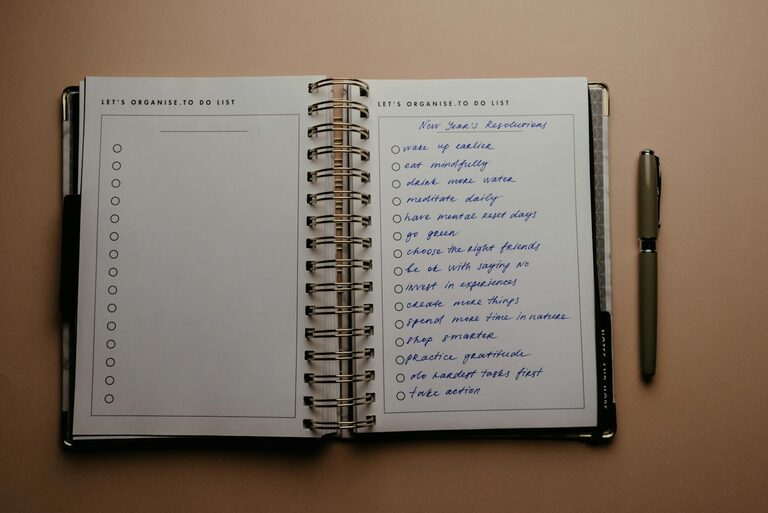
Building new habits and maintaining consistency can be challenging, but the right approach can make the process enjoyable and rewarding. Whether you want to exercise regularly, read more, or develop better work habits, tracking your progress plays a vital role in staying motivated and seeing real results.
In this post, we’ll explore why habit tracking matters and offer practical strategies to help you stay consistent with your goals.
Why Track Habits?
Tracking habits is more than just marking days on a calendar. It brings awareness to your actions and creates a visual record of your progress. This helps by:
– Increasing motivation: Seeing a chain of successful days encourages you to keep going.
– Identifying patterns: You can notice what triggers good days or leads to lapses.
– Holding yourself accountable: Logging your habits makes it harder to ignore missed days.
– Celebrating progress: Recognizing small wins keeps morale high.
Choosing the Right Habit Tracker for You
There are many ways to track habits. The key is to find a method that feels manageable and fits your lifestyle. Here are some popular options:
1. Paper Journals and Planners
Writing down your habit progress in a dedicated journal or planner is simple and flexible. You can:
– Use habit tracker templates or create your own.
– Add notes about how you felt each day.
– Combine tracking with goal setting or reflection.
2. Mobile Apps
Apps designed for habit tracking offer features like reminders, streak counts, and data visualization. Some popular apps include:
– Habitica
– Streaks
– Loop Habit Tracker
Apps are handy if you prefer digital tools and want notifications or integration with other productivity apps.
3. Spreadsheets
A spreadsheet (Excel, Google Sheets) can be customized to track habits over weeks and months, offering charts and stats if you like analyzing your data.
4. Visual Tools
Some people use creative methods like habit bingo cards, sticker charts, or habit jars with marbles as tangible motivators.
Setting Up Your Habit Tracking System
Once you decide on a tracking tool, follow these steps to get started:
Step 1: Define Clear, Specific Habits
Break down your goals into small, well-defined habits. For example, instead of saying “exercise more,” specify “walk 30 minutes daily” or “do 10 push-ups every morning.”
Step 2: Set Realistic Expectations
Start with a manageable number of habits — perhaps 1 to 3 at a time. This avoids feeling overwhelmed and increases your chances of success.
Step 3: Choose a Tracking Frequency
Decide if you want to track habits daily, weekly, or at another interval that fits the habit. Consistency is key here.
Step 4: Set Reminders
Use alarms, app notifications, or visual cues (like sticky notes) to remind you to complete and log your habits.
Step 5: Record Your Progress Immediately
Try to track your habits at the moment you complete them, so you don’t forget. Immediate recording strengthens habit formation.
Tips for Staying Consistent
Tracking alone doesn’t guarantee success. Here are tips to boost consistency:
1. Build Habits into Your Routine
Attach new habits to existing activities — for example, meditate right after brushing your teeth. This “habit stacking” makes habits easier to remember.
2. Focus on One Habit at a Time
Master one habit before adding another. This focus helps build momentum without overloading yourself.
3. Celebrate Small Wins
Acknowledge every success, even small ones. Positive reinforcement fuels motivation.
4. Don’t Fear Occasional Misses
Missing a day happens to everyone. What matters is getting back on track quickly rather than striving for perfection.
5. Review Your Progress Regularly
Weekly or monthly reviews help you see what’s working, adjust goals, and stay motivated.
6. Share Your Goals
Tell a friend or join a community with similar goals. Social support often increases accountability.
Troubleshooting Common Challenges
Even with good tracking habits, obstacles can arise. Here’s how to overcome some common issues:
| Challenge | Solution |
|—————————|——————————————|
| Forgetting to track | Set habit tracking reminders or alarms |
| Losing motivation | Revisit your “why” and adjust goals |
| Too many tracked habits | Reduce to the most important ones |
| Tracking feels like a chore | Make it fun by using colorful tools or apps |
| Results are slow or invisible | Be patient; habits take time to build |
Conclusion
Tracking your habits is a simple yet powerful way to stay consistent and achieve your goals. By choosing the right tools, setting clear habits, and using strategies to maintain consistency, you can turn small, daily actions into lasting change. Remember, it’s about progress, not perfection, and every step forward counts.
Start today by picking one habit to track and watch how consistency transforms your routine and results!